
"coffee pulp removal"
2000 article(s) found
Coffee Bean Processing
The coffee tree has a pair of oval seeds in the center of the fruit. The seeds are covered by the outer skin, endocarp and pulp. Mature fruit will rot in a short time without treatment, so the purpose of refining is to make coffee beans long-term preservation, easy storage and circulation.

Can the method of coffee honey treatment improve the quality of raw beans? Changes of flavor and taste of coffee beans treated with honey
For more information on coffee beans, please follow the coffee workshop (official Wechat account cafe_style). There is a new method of treating raw coffee beans called honey processing honey treatment. We call it peeling and sunbathing. After the thick peel of the coffee cherry is removed, it retains the sticky pulp layer below it, and then it does not use fermentation to remove the sticky pulp layer.

Coffee berry treatment method, taste grinding scale variety manor introduction
Coffee berry treatment method taste grinding scale variety Manor introduction washing method is the most popular treatment at present, most of the boutique coffee beans will choose washing method. Washing coffee refining process: harvesting storage tank (removal of impurities and unripe beans) pulp removal machine (removal of pulp and impurities) fermentation tank (removal of mucous membrane attached to endocarp) washing tank (selected quality

Different Flavor description of Coffee Bean production area by Solar Water Honey washing method Grinding scale
Sun washing Honey treatment distinguishes the flavor of coffee beans from the production area description of taste treatment grinding scale 1. Skin/Pulp: the outermost layer of coffee beans is covered with berry-like skin and pulp. In addition to the natural sun method, coffee beans treated by other methods must remove the skin and flesh within a few hours after picking. For coffee, peel and pulp are important by-products.
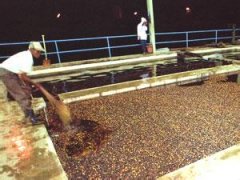
Introduction to the treatment of raw coffee beans-washing method
Coffee washing began in the mid-18th century. In the washing process, the pulp of the coffee fruit (red cherry) is first removed, then the residual mucous membrane on the inner pericarp is removed by a fermentation tank, and the beans are washed and dried. The difference between the non-washing method and the water washing method is that the non-washing method is to remove the pulp after drying, while the washing method is to remove the pulp before drying. Washing can pass every step.

The difference between tanning and washing Coffee Flavor description of sun-cured coffee beans from different coffee producing areas
Professional coffee knowledge exchange more coffee bean information Please pay attention to the coffee workshop (Wechat official account cafe_style) the basic skills of all kinds of coffee fruit treatment of good quality coffee since the black tide [* Note], the market coffee beans have also hit the slogan of high-quality products one by one, advocating a dazzling variety of coffee bean choices, such as single producing area, microclimate, various treatments and so on.

Introduction to the treatment of Coffee Soybean Honey introduction of three major treatment methods of coffee beans
We know that the three treatment methods of raw coffee beans can be divided into three types. The distinction between each method is based on the fact that several layers of matter are removed from the fruit before the coffee is dried. The following is a list of the three major processing methods: 1. Natural sun treatment: retain all substances 2. Honey treatment: remove the peel and pulp and retain part or all of the mucous membrane (honey) 3. Washing method

What are the coffee bean honey processing methods? Coffee honey drying process? Coffee Bean Honey
Professional coffee knowledge exchange More coffee bean information Please pay attention to coffee workshop (Weixin Official Accounts cafe_style) What are the methods of coffee bean honey treatment? Coffee honey drying process? Coffee beans honey processing suitable for what kind of coffee? Coffee cherries are bright red when ripe, and because they look like cherries, they are also called coffee cherries.
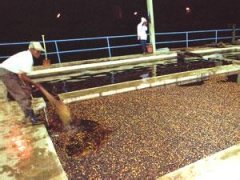
Introduction of water washing method for the treatment of raw coffee beans
Coffee washing began in the mid-18th century. In the washing process, the pulp of the coffee fruit (red cherry) is first removed, then the residual mucous membrane on the inner pericarp is removed by a fermentation tank, and the beans are washed and dried. The difference between the non-washing method and the water washing method is that the non-washing method is to remove the pulp after drying, while the washing method is to remove the pulp before drying. Washing can pass every step.

Understand the handling of coffee beans and easily solve the problem of how to eat coffee beans!
Professional coffee knowledge exchange more coffee bean information please follow the coffee workshop (Wechat official account cafe_style) if you want to talk about how to eat coffee beans, we need to talk about how coffee comes from, first of all, we have to talk about how coffee trees blossom and bear fruit like ordinary trees, and after they grow into coffee fruits, the seeds inside are called coffee beans to remove the skin, pulp and pectin of coffee fruits.

Coffee flavor and raw bean treatment are different from water washing and wet planing red wine.
Coffee beans are the seeds of coffee fruit, which is also called coffee cherry. After removing the exocarp and pulp of the coffee fruit, you will get two coffee seeds, that is, coffee raw beans. Coffee fruit is easy to rot when ripe and picked, so it should be dealt with in time to facilitate storage and transportation. [washing treatment] removal of pulp pectin washing treatment, also known as water

Treatment of Coffee fruits Coffee bean treatment
I would like to introduce the treatment of coffee fruits and the comparison of different ways. The following picture shows an enlarged coffee bean with pectin, in which pectin, parchment, silver skin and raw beans are clearly distinguished. Classification of Processing Method Coffee Fruit treatment methods are divided into dry (Dry Processing) and wet (Wet Processing) treatments according to whether the peel is removed or not.

There are several processing methods of coffee beans. Water washing is clean, pure and free of impurities.
Professional coffee knowledge exchange more coffee bean information please follow the coffee workshop (Wechat official account cafe_style) front street-introduction to the three major coffee treatment methods (Dry process/Natural method) is the oldest and most primitive treatment of coffee beans. Arabs used this method to deal with coffee more than a thousand years ago. The harvested coffee cherries are directly exposed to the sun on the terrace.

Effect of coffee bean treatment on how coffee beans are ground into powder can coffee beans be brewed directly
Professional coffee knowledge exchange more coffee bean information please follow the coffee workshop (Wechat official account cafe_style) to talk about the relationship between the treatment of raw coffee beans and how coffee beans are eaten. First of all, we need to talk about how coffee comes from coffee trees and ordinary trees blossom and bear fruit and grow into coffee fruits. The seeds inside are called coffee beans to remove the peel, pulp and pectin of coffee fruits.

Introduction of water washing method for the treatment of high-quality coffee and raw beans
Coffee washing began in the mid-18th century. In the washing process, the pulp of the coffee fruit (red cherry) is first removed, then the residual mucous membrane on the inner pericarp is removed by a fermentation tank, and the beans are washed and dried. The difference between the non-washing method and the water washing method is that the non-washing method is to remove the pulp after drying, while the washing method is to remove the pulp before drying. Washing can pass every step.

Treatment of Coffee fruits-- washing
When the coffee fruit is harvested from the mountain, the next step is to remove the peel and pulp of the coffee beans. There are two main ways of treatment: washing and solarization. But the ultimate determining factor is whether there is enough water to use. Some special boutique coffees are both insolated and washed.

Coffee tanning treatment, washing, taste and flavor advantages processing process
Coffee sun treatment water washing taste flavor price process water washing is the most popular treatment method, most of the boutique coffee beans will choose water washing method. Washing coffee refining process: harvesting storage tank (removal of impurities and unripe beans) pulp removal machine (removal of pulp and impurities) fermentation tank (removal of mucous membrane attached to endocarp) washing pool (selection of light weight and hard beans

The production and processing of coffee beans the Panamanian Jade Manor
1. Skin/Pulp: the outermost layer of coffee beans is covered with berry-like skin and pulp. In addition to the natural sun method, coffee beans treated by other methods must remove the skin and flesh within a few hours after picking. Similar to the cherries we often eat, the difference is that when we eat cherries, we mainly eat the pulp and peel of berries. For coffee.

The method of dealing with high-quality coffee beans
There are a pair of oval seeds in the center of the fruit of the coffee tree, which are covered with exocarp, endocarp and pulp. Ripe fruit will rot in a short period of time without treatment, so the purpose of refining is to enable coffee beans to be preserved for a long time, easy to store and circulate.

Treatment of Coffee Fruit and Coffee beans
When the coffee fruit is harvested from the mountain, the next step is to remove the peel and pulp of the coffee beans. There are two main ways of treatment: washing and solarization. But the ultimate determining factor is whether there is enough water to use. Some special boutique coffees are both insolated and washed. Washing requires the use of special machinery and equipment and adequate water sources.